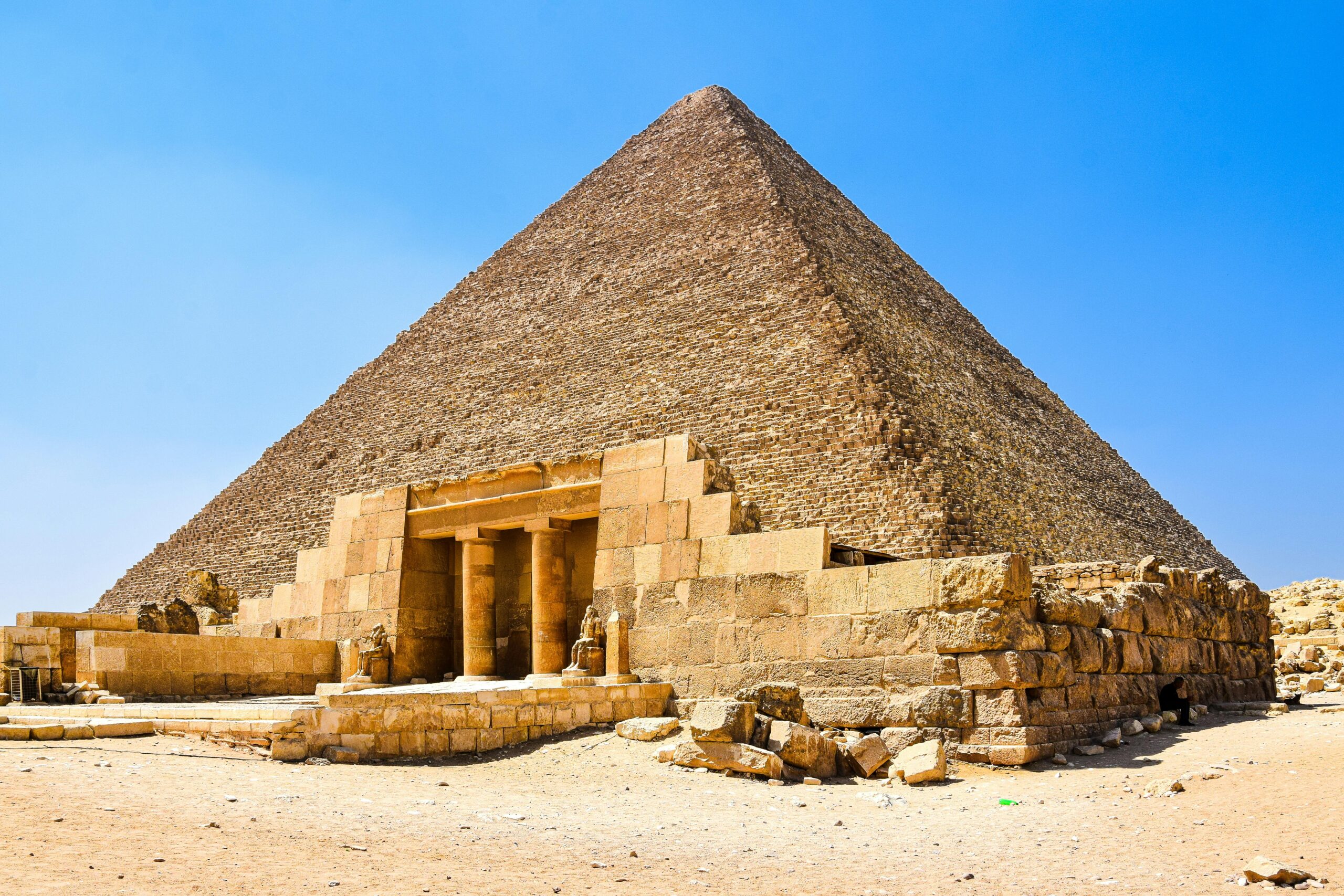
4,500-year-old genome offers new insight into Egyptian history
DNA analysis of a man who lived during the era of the first pyramids in ancient Egypt revealed that around 20% of his genetic makeup is linked to Mesopotamia. The findings support long-suspected cultural and genetic ties between two leading civilizations of the ancient world.
Although based on a single genome, scientists say the study provides a rare glimpse into the genetic history of ancient Egyptians — a challenging task due to Egypt’s warm climate, which makes DNA preservation difficult.
First successfully sequenced genome from pyramid era
Researchers sequenced the genome of a man who lived between 4,500 and 4,800 years ago, during the Old Kingdom period when the iconic pyramids were built.
The DNA sample was extracted from the roots of two teeth found in a large ceramic jar inside a rock-cut tomb. This marks the first time a full genome has been sequenced from an ancient Egyptian individual.
Genetic makeup reveals local and Mesopotamian origins
About 80% of the man’s ancestry is linked to populations from Egypt and nearby parts of North Africa. The remaining 20% traces back to the Fertile Crescent, the region that includes Mesopotamia.
“These findings suggest significant genetic connections between ancient Egypt and the eastern Fertile Crescent,” said lead author Adeline Morez Jacobs of Liverpool John Moores University and the Francis Crick Institute.
A deeper look at ancient interactions
The results add to a growing body of evidence pointing to trade and cultural exchange between Egypt and Mesopotamia in the 3rd millennium BCE, when both regions led the development of human civilization.
Fascinated by discoveries like this?
Support our mission to spread science-based insights by buying us a coffee:
coff.ee/samodobrevijesti