Two weeks of volunteering, language learning, and cultural exchange
Twenty-four young people of Croatian heritage from countries including Canada, Australia, the USA, the UK, North Macedonia, and others, spent two weeks in the coastal town of Biograd na Moru as part of the Eco Heritage Task Force program.
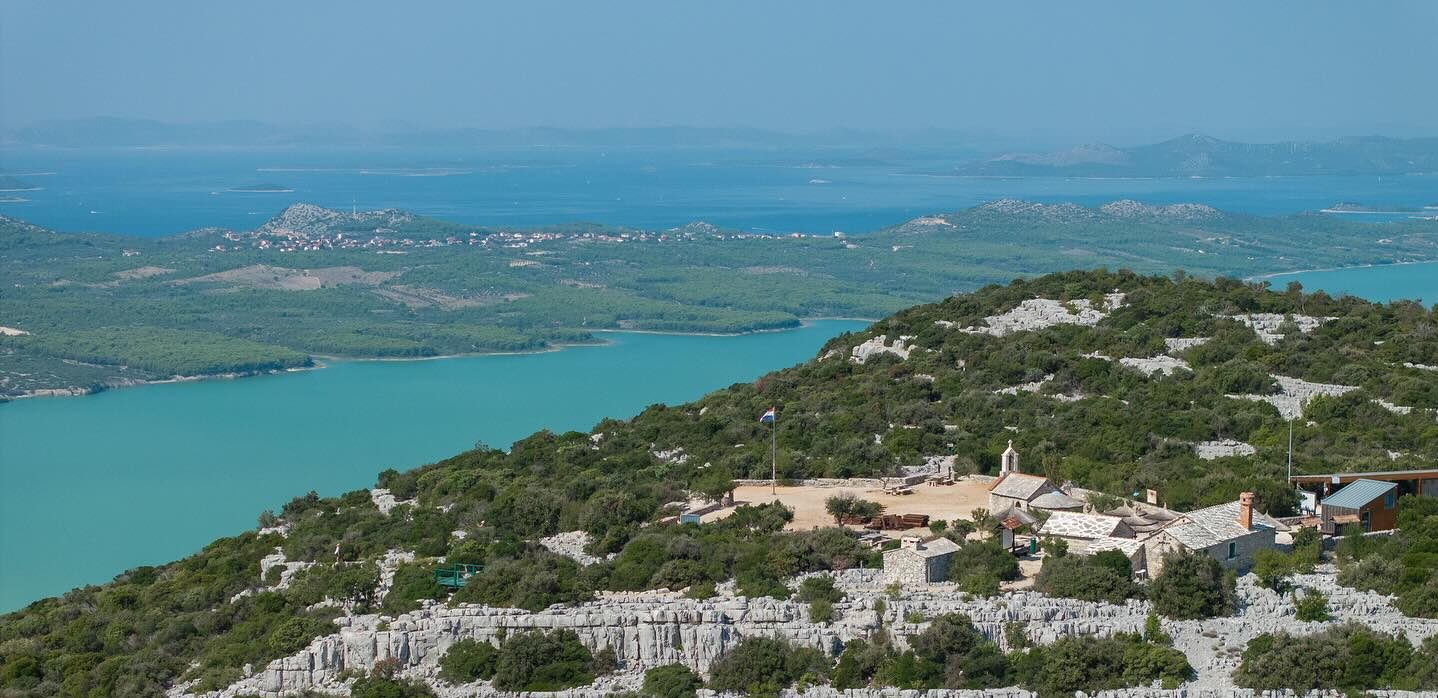
During their stay, they cleaned parts of the Vrana Lake Nature Park, helped renovate local schools, learned the Croatian language, and immersed themselves in the culture and history of their ancestors.
Early mornings, community work
“We got up at dawn to clean the lake. Some were cutting branches, others collecting trash,” said Emilija from Germany.
The volunteers, aged between 18 and 35, also worked on improving the premises of local elementary and high schools. In return, the town provided them with hotel accommodation, meals, guided tours, and social spaces.
Grammar and cooking in the afternoon
Their days combined hands-on tasks with cultural education. “In the afternoon, some of us cooked, others studied Croatian grammar,” shared Luka from Australia.
The group talked with local fishermen, visited historical sites, and listened to stories about Biograd and Croatian heritage.
Learning about return opportunities
Representatives from the Ministry of Demography and Migration gave participants an overview of the support programs available to those considering a return to live and work in Croatia.
From war-time initiative to global program
The Eco Heritage Task Force began in 1992 during the Croatian War of Independence, under the name “Blisters for Croatia,” initiated by young Croats from Canada.
Since 1995, it has been run by the Croatian Heritage Foundation (Hrvatska matica iseljenika) as a cultural and environmental summer volunteering program.
Today, it continues to connect diaspora youth with their roots through nature conservation, language learning, and direct engagement with local communities.
Applications for future programs can be submitted via email to the Croatian Heritage Foundation.