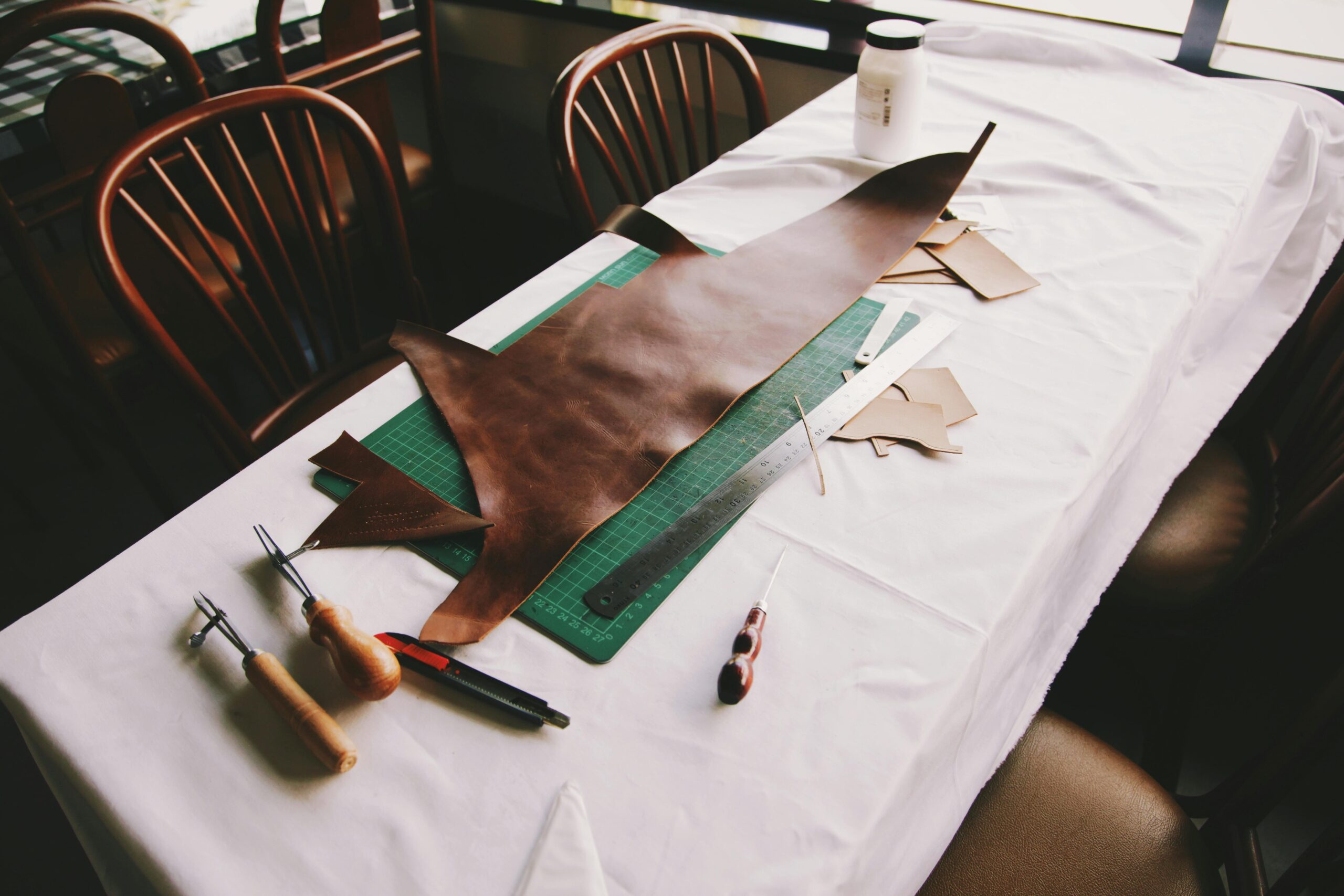
Across the United States, biotechnology is rewriting the future of fashion. After decades of mass animal slaughter and chemical pollution caused by the leather industry, a new generation of scientists has discovered an elegant alternative — leather made from mushrooms.
Companies such as MycoWorks and Bolt Threads have pioneered a material known as Fine Mycelium™, a next-generation bio-leather that mimics the strength, flexibility, and feel of animal hide. The key ingredient is mycelium, the dense underground root-like network of fungi. It grows fast, requires minimal resources, and involves no harm to animals.
Grown in controlled environments, mycelium can be molded into sheets that later become handbags, shoes, clothing, or furniture. The entire process uses no toxic tanning chemicals, consumes up to 90 percent less water than conventional leather, and leaves almost zero waste.
Science meets ethics
This innovation is not just about creating a new material — it’s about rethinking the entire relationship between humans, animals, and industry. Instead of killing millions of animals every year, biotechnology is now offering a renewable, biodegradable, and cruelty-free alternative.
Mycelium can be “programmed” to grow in specific densities and shapes, which means no scraps or waste. Each piece can be naturally unique, with organic patterns that resemble real leather.
Luxury fashion has already noticed the shift. Designer Stella McCartney, a pioneer of sustainable fashion, showcased pieces made with mushroom leather, while brands like Hermès and Adidas have partnered with biotech firms to explore large-scale use.
More than a new material, it represents a new mindset — a partnership with nature rather than domination over it.
The decline of animal leather
The global leather industry, worth over $400 billion annually, is under growing scrutiny for its environmental and ethical costs. Water pollution, deforestation, and animal cruelty are driving consumers toward better options.
Mushroom leather has emerged as one of the most promising answers. It is recyclable, fully biodegradable, and nearly indistinguishable from traditional leather in texture and durability.
Experts predict that by the end of this decade, mushroom-based leather could become standard in luxury and mainstream fashion. That would mark the beginning of the end of animal exploitation in one of the most entrenched global industries.
Conscious fashion for a conscious world
This movement is about more than material — it’s about choice. Every purchase becomes a reflection of personal values and awareness. Ethical fashion is no longer a niche; it’s becoming the future of design.
For those drawn to mindful living and conscious consumption, explore the Mindful Living Journal — a daily guide to aligning your lifestyle with compassion, awareness, and sustainability.