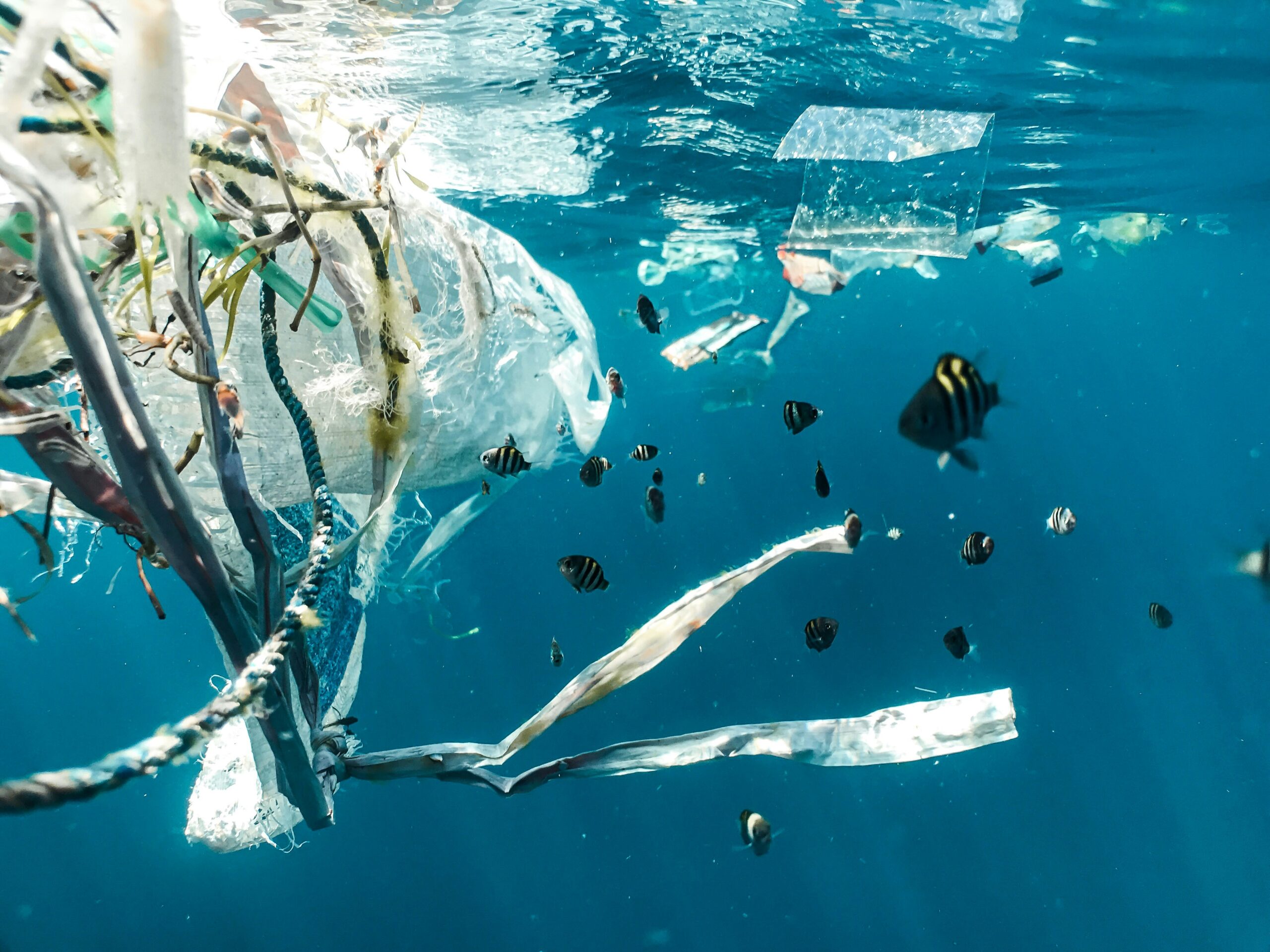
Plastic pollution in the ocean is a growing global crisis
Plastic pollution is one of the most serious threats to marine life and ocean ecosystems around the globe. Marine organisms suffer daily due to accumulated plastic waste, and finding a biodegradable solution has become an urgent environmental priority.
Biodegradable plastic has long been a scientific challenge
For years, researchers have been searching for plastic alternatives that break down naturally. Most existing materials degrade too slowly or leave harmful residues behind, reducing their overall impact.
A revolutionary material from Japan
Scientists from the RIKEN Center and the University of Tokyo have developed a new type of plastic that completely dissolves in seawater within just a few hours. This advanced material may offer a breakthrough solution to ocean plastic pollution.
Lab tests in Wako demonstrate rapid degradation
In a lab in Wako, near Tokyo, the research team demonstrated how a piece of this new plastic almost completely dissolved in a tank of seawater after just one hour of exposure. This level of biodegradability is unprecedented.
Industry interest and future possibilities
Although there are no detailed commercialization plans yet, project leader Takuzo Aida notes that the discovery has already attracted significant interest, particularly from packaging companies.
The global race against plastic waste
Scientists worldwide are racing to develop innovative solutions to reduce plastic waste. World Environment Day, observed on June 5, serves as a global reminder of the urgency to act.
UN forecasts a tripling of ocean plastic by 2040
According to the UN Environment Programme, plastic pollution in the oceans is projected to triple by 2040. Between 23 and 37 million metric tons of plastic are expected to end up in the oceans each year — a staggering environmental burden.
Responsibility toward future generations
“Children cannot choose the planet they are born on. It is our duty as scientists to ensure we leave them the best possible environment,” said Takuzo Aida, the project’s lead researcher.