Croatia is renowned for its pristine nature, rich biodiversity, and unique encounters with wildlife. However, these encounters can sometimes cross the line of what is acceptable. As highlighted by the Facebook page Psi laju a karavane prolaze (“Dogs bark but the caravan moves on”), certain tourist behaviors, often stemming from a lack of awareness, can result in unintended harm to protected species.
Tourist Experiences Can Be Unintentionally Harmful
The page Psi laju a karavane prolaze documents numerous examples where the desire for an eye-catching photo or close contact with wild animals leads to their disturbance. While most tourists do not act with bad intentions, the absence of clear information and guidance can have serious consequences for animals and their natural habits.
Shags (Cormorants): A Need for Peace
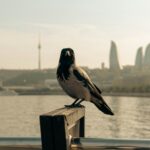
Shags are protected birds that choose secluded coves for nesting. Unfortunately, as Psi laju a karavane prolaze reports, tourists sometimes chase them with cameras, approach them while swimming, or create loud noises. One case on the island of Molat involved a shag defensively reacting after prolonged disturbance. Instead of setting up a protection zone, the bird was relocated—even though it was only trying to defend its space.
Griffon Vultures: Silence Saves Lives
The Kvarner islands, particularly Cres and Plavnik, are home to griffon vultures—majestic symbols of freedom. According to Psi laju a karavane prolaze, tourist boats sometimes come too close to cliffs, and the noise and commotion can frighten young, inexperienced birds into falling into the sea, where they risk drowning. Such situations can be prevented through better boating regulations and visitor education.
Dolphins, Swans, and the Mediterranean Monk Seal: Beautiful Encounters Require Caution
Dolphins around Lošinj are increasingly pursued by speedboats seeking the perfect photo. This behavior increases the risk of injury, especially for calves. On the Krka River, a swan was injured in one such incident, while Adriana, a Mediterranean monk seal, became a viral sensation—despite the fact that she needed peace and protection. As Psi laju a karavane prolaze advises, rather than sharing her exact location, visitors should be encouraged to observe quietly from a distance.
Turtles, Starfish, and Other Vulnerable Species
Examples from Čiovo and other coastal areas show how little it takes to harm marine life—be it pulling a turtle out of the water for a photo or keeping a starfish out of the sea for too long. These practices, though often driven by curiosity, can be fatal. Educating both children and adults on proper behavior in nature is essential for preserving marine ecosystems.
Time for a Culture of Coexistence
As Psi laju a karavane prolaze emphasizes, many countries have long adopted clear behavioral rules, educational panels, and printed materials to help tourists understand how to act around wild animals. In Croatia, such efforts are still scarce, yet raising awareness is key to preserving our natural heritage.
Tourism That Respects Nature
Tourists don’t come just for the sun and sea—they are also drawn by the beauty of wild life. Let’s offer them an authentic but responsible experience of nature. As Psi laju a karavane prolaze concludes, caring for animals is not a contradiction to tourism—it is its sustainable foundation.