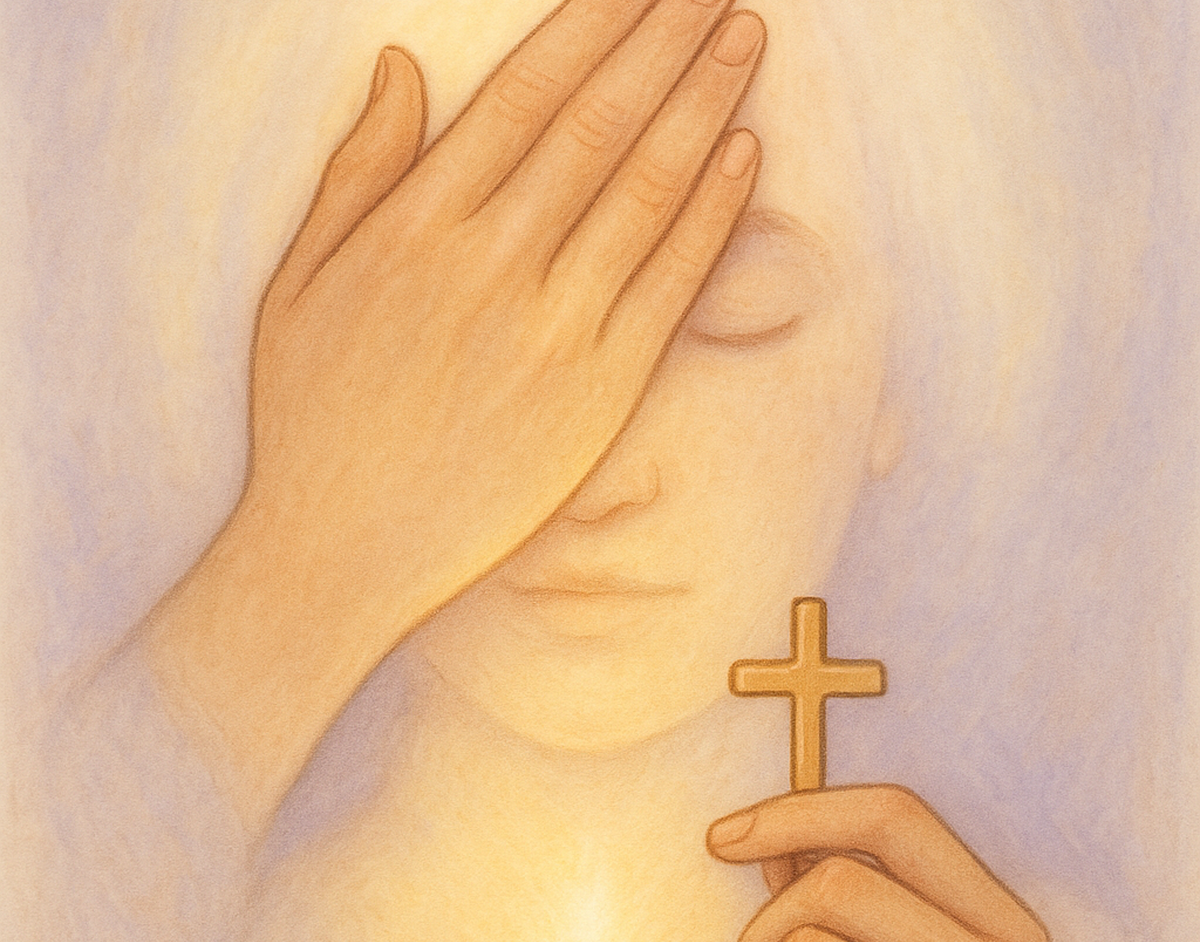
Sometimes, you may feel a quiet connection — with yourself, with nature, or with something greater than everyday life. There’s no label for it, no clear explanation. Just a moment of stillness where everything makes sense, without needing to know why. You’re not looking for dogma or rules — you’re seeking truth. And then the question arises: am I spiritual, even if I’m not religious?
For many, this isn’t a theoretical question — it’s deeply personal. That’s why this article doesn’t offer definitions that confine, but distinctions that open space. Differences that can help you better understand your own path — without pressure to take sides.
What is religion?
Religion is an organized system of beliefs, practices, and rituals centered around a higher power, deity, or sacred principles. It usually involves:
– A holy text (such as the Bible, Quran, Vedas) – A community or institution (church, mosque, temple) – Rules or moral codes – Teachers or leaders (priests, imams, gurus)
Religion connects people through shared beliefs and traditions. For many, it offers structure, meaning, and belonging.
What is spirituality?
Spirituality is a personal, inner experience related to meaning, awareness, and connection. It doesn’t need rules, rituals, or institutions. Spirituality may include:
– A sense of inner peace – Trust in intuition or life’s flow – Connection with nature or the universe – Practices like meditation, gratitude, or reflection
Spirituality is often described as fluid and evolving — not something to believe in, but something to feel and live.
The key difference: outer vs. inner
Put simply: religion often comes from outside (you join or follow), while spirituality comes from within (you discover or create it). Religion is usually passed down through family or culture. Spirituality is a personal journey that may or may not include religion.
A religious person can be spiritual, and a spiritual person doesn’t have to be religious. These paths are not opposites — they’re different ways of exploring the same questions: Who am I? What’s the meaning of life? How can I feel whole?
Why does this matter?
Understanding the difference can help you respect both your own path and the paths of others. If you feel connected to something bigger but resist rules and dogma, that’s not a flaw. It might just mean that spirituality resonates with you more than religion.
And if you find peace and strength within a religious tradition — that’s just as valid. The key is freedom of choice.
What does science say?
Studies show that both religion and spirituality can support mental health, resilience, and life satisfaction. What they share is connection — with others, with yourself, with something larger than the visible world. And that connection can be healing.
How do you know what fits you?
Ask yourself:
– Do I feel at peace in silence? – Do I like clear rituals and shared beliefs? – Or do I prefer open exploration and personal meaning?
There’s no wrong answer. Your path is your own.
But, if you’re drawn more to personal practice than institutional belief, you might want to try guided sound meditations at home. Explore this beginner-friendly program that helps you ease into meditation with no pressure or prior experience.
Final thoughts
Spirituality and religion aren’t enemies. They’re two different ways of seeking meaning, peace, and connection. Some people speak both languages. Some speak only one. And that’s okay.
If you’re curious about nurturing your spiritual life without labels, pressure, or rules — keep exploring. There’s no rush. Just steps toward clarity. And Only Good News is here to walk beside you.