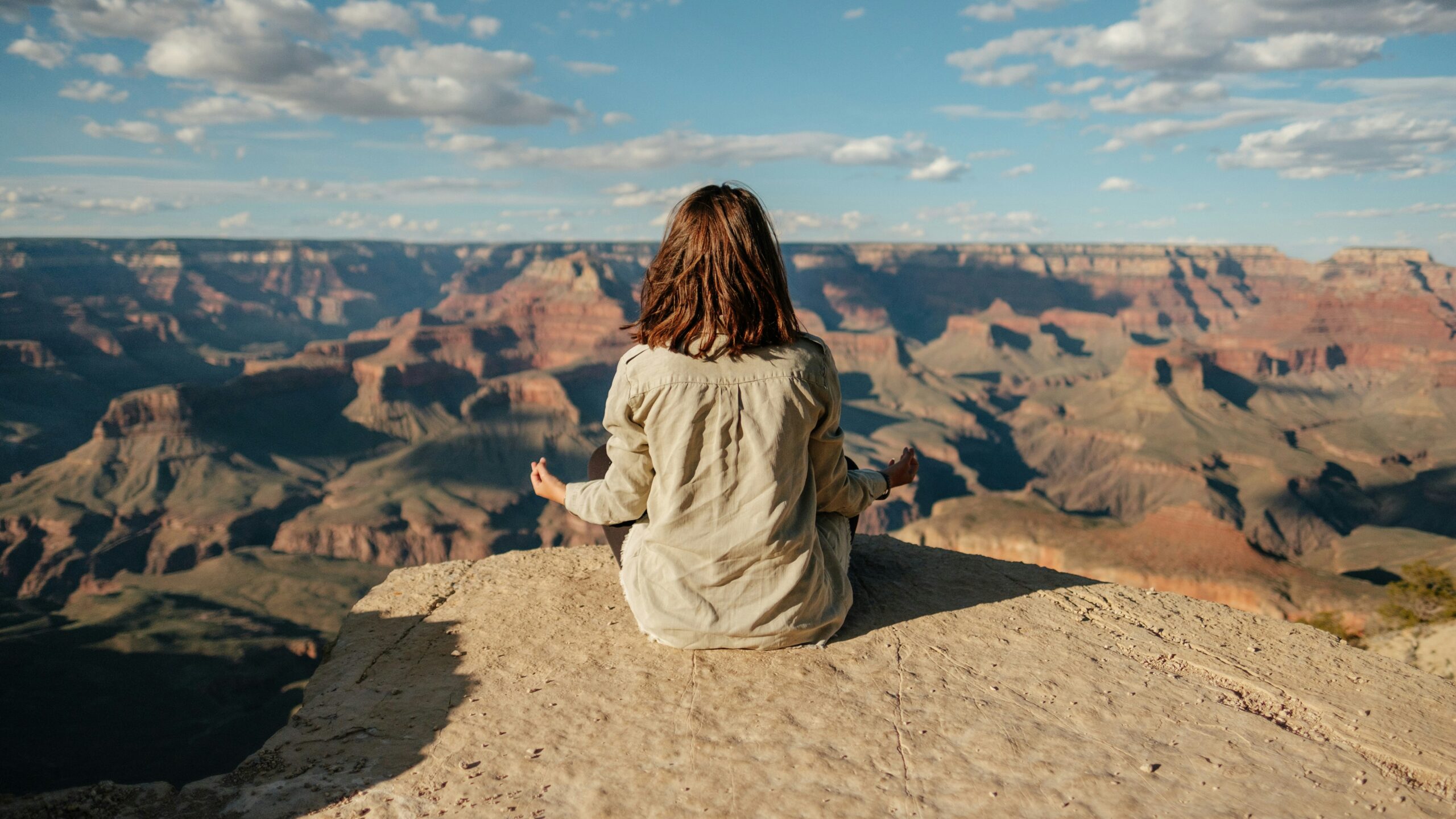
If you’ve never meditated before, you probably have a lot of questions. What exactly is meditation? How do I start? Do I have to sit cross-legged and “think of nothing”? The good news is: meditation isn’t complicated. You can begin today — simply, from home, and without any prior experience.
What is meditation?
Meditation is the practice of focusing your attention. It’s often used to reduce stress, improve concentration, and connect more deeply with yourself. It’s not about turning off your thoughts, but rather learning to notice them without immediately reacting to them.
For beginners, meditation is first and foremost a moment of stillness and slowing down. Just a few minutes a day can make a noticeable difference in how you feel.
What do you need to start?
You don’t need any special equipment to begin meditating. Here’s a simple list of what you might want:
– A quiet space: somewhere you won’t be interrupted for a few minutes – A comfortable seat: chair, cushion, or sofa – A timer or app (optional): helps you relax without watching the clock – An open mind: a willingness to try something new, without pressure
Don’t worry about having a perfect setup. Meditation is about simplicity.
What does meditation look like?
Here’s how a basic meditation practice works, step by step:
Sit comfortably. You don’t have to sit on the floor. Just keep your spine upright and your body relaxed.
Close your eyes (or not). If closing your eyes feels uncomfortable, simply gaze softly at a fixed point.
Focus on your breath. Notice the air entering and leaving your nose. Don’t try to change anything.
Thoughts will come — that’s normal. When you realize your mind has wandered, gently return your focus to the breath.
End slowly. After about 5 minutes, open your eyes gently and take a moment to notice how you feel.
That’s it. There is no success or failure — just moments of awareness.
How long should you meditate?
For beginners, starting with 2 to 5 minutes a day is ideal. It may not seem like much, but it’s enough to build a habit. Over time, you can gradually extend your practice. Consistency is more important than duration. It’s better to meditate briefly every day than occasionally for longer periods.
When is the best time to meditate?
The best time is whenever it works for you. Some people like to meditate in the morning to begin the day calmly, while others prefer to wind down with meditation in the evening. There are no rules — find a moment that you can consistently dedicate to yourself.
Common concerns for beginners
“I can’t stop thinking.” You don’t need to. Meditation isn’t about stopping thoughts, but about watching them without judgment.
“It feels weird.” New experiences often feel strange at first. That’s completely normal. Be patient with yourself.
“I fall asleep.” This might mean your body needs rest. With time, your mind will learn to stay awake and relaxed at the same time.
Guided meditations for support
If you find it hard to meditate on your own, try guided meditations. There are many free apps and websites that offer beginner-friendly sessions. A calming voice can help lead you through the process and make it feel more accessible.
If you’re looking for gentle guidance in your first steps toward meditation, this beginner-friendly audio program uses binaural frequencies to help you relax more deeply and easily.
Meditation isn’t just for “spiritual” people, and it doesn’t require any special skills. It’s a tool that anyone can use — regardless of age, background, or life situation. If you’re willing to give yourself a few quiet minutes a day, you can create a space of calm and presence that gently transforms your everyday life.
Start small. Allow yourself to be a beginner. And be kind to yourself — that’s already the first act of meditation.