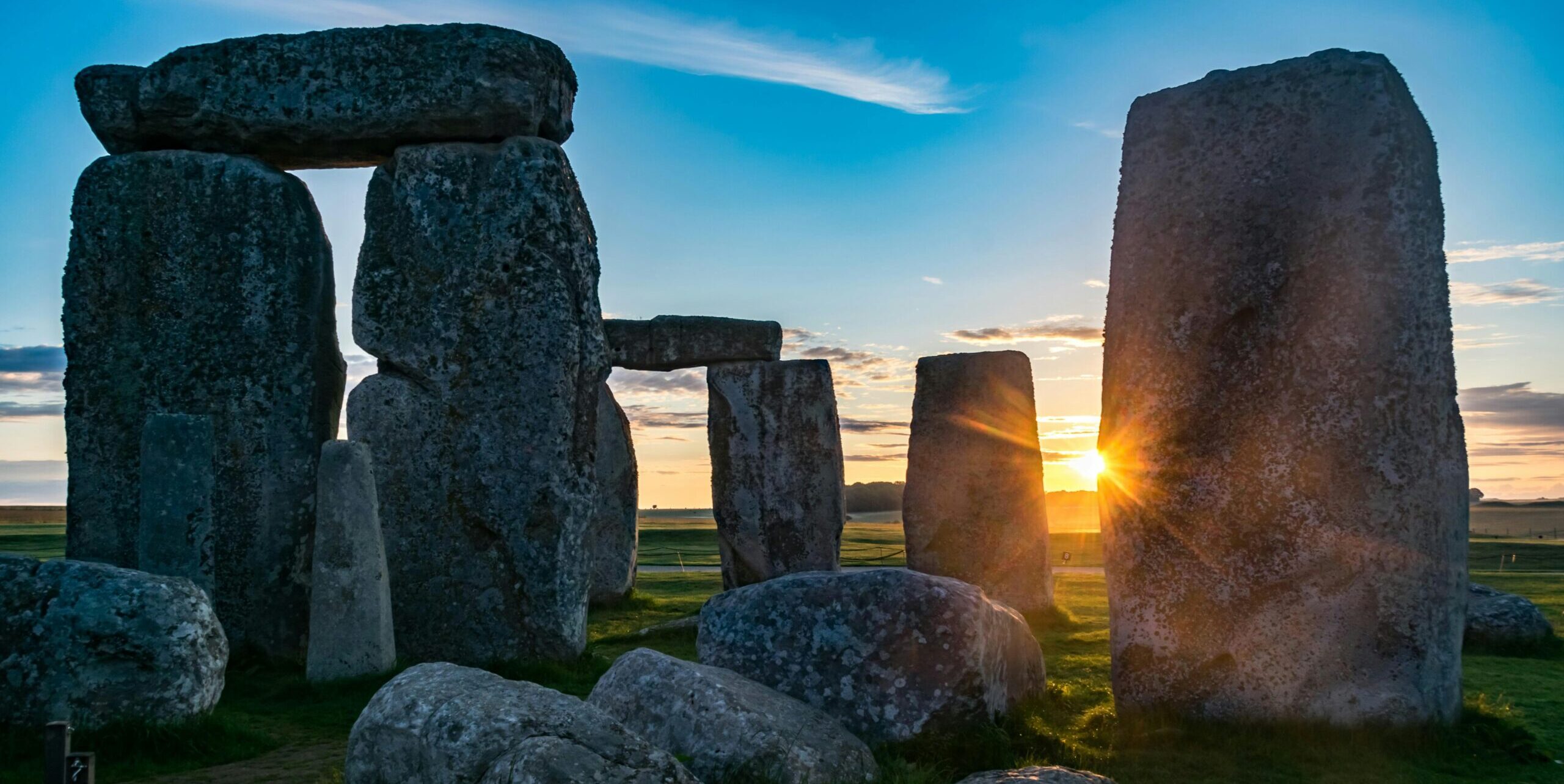
A Morning That Connects the Distant Past With the Present
At dawn on Saturday, thousands of people gathered at the iconic Stonehenge monument in southern England to celebrate the summer solstice — the longest day of the year and the symbolic start of summer in the northern hemisphere. With early morning temperatures reaching 18 degrees Celsius, attendees welcomed the sunrise in quiet reflection or through personal rituals rooted in ancient traditions.
A Rare Opportunity to Approach the Stones
The solstice is one of the rare occasions when visitors are allowed to enter the inner circle and come close to the ancient stones. For many, it’s a spiritual moment — a chance to connect with nature, ancestral memory, and cosmic cycles. Stonehenge continues to captivate the global imagination, not only through its historical significance but through the deeply personal experiences it inspires.
Built to Align With the Sun
Stonehenge was designed with remarkable precision to align with the summer solstice sunrise and the winter solstice sunset. On the day of the summer solstice, the sun rises directly behind the Heel Stone — the ancient entrance to the monument — and its rays shine into the center of the stone circle. It’s a powerful and moving sight, no matter how many times one sees it.
Modern seekers are still drawn to the energy of sacred sites like Stonehenge – not just as monuments, but as portals. If you’re curious about activating your own energetic blueprint, this guided audio experience is designed to help awaken dormant frequencies within your DNA.
It’s a powerful way to reconnect with the spiritual wisdom our ancestors once followed.
Warnings and Crowds Ahead of the Event
Local police in Wiltshire issued traffic and pedestrian warnings on social media ahead of the gathering, anticipating the large influx of visitors. Despite the logistical challenges, the atmosphere on-site remained calm, festive, and deeply reverent.
What Does the Solstice Actually Mean?
The summer solstice occurs when one of Earth’s poles is tilted closest to the sun, marking the moment the sun reaches its highest position in the sky. It brings the longest period of daylight in the year. For the northern hemisphere, it signifies the start of summer — and symbolically, a time of balance, renewal, and light.
A Celebration That Spans Millennia
While Stonehenge dates back to the Neolithic period, its deeper meanings are still the subject of research and speculation. What remains certain is that celebrating the solstice at this sacred site is a tradition stretching back thousands of years. And year after year, it continues to bring together people of different cultures, beliefs, and generations — united in a simple, shared moment of sunrise and stillness.
Note: This article may include affiliate links. We only recommend tools and content we genuinely trust – your support helps keep our platform alive.