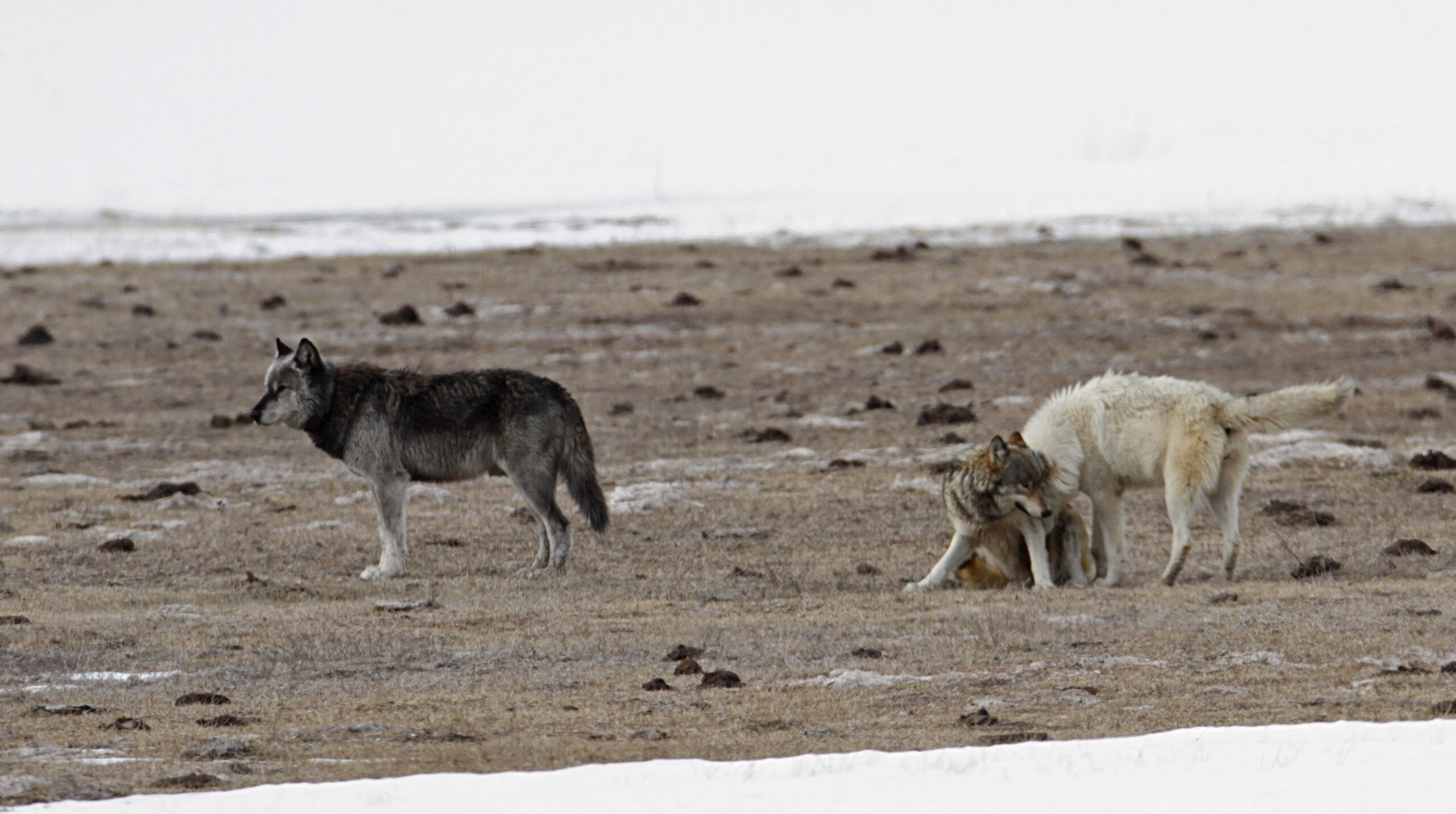
In 1995, fourteen wolves were reintroduced to Yellowstone National Park. The park had been without wolves for more than seventy years. During that time elk multiplied without limits and destroyed large areas of young vegetation. No one expected such dramatic ecological changes.
Shift in elk behaviour
Wolves did not eliminate elk. They changed their grazing patterns. Elk began avoiding areas where wolves regularly moved. Vegetation recovered quickly. Young tree density increased fivefold within six years. These results come from long term studies by the National Park Service and the University of Montana.
Return of key species
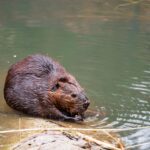
More young trees brought back beavers. Their dams created ponds that increased the presence of muskrats, ducks and fish. Fewer coyotes meant more rabbits and mice. That attracted hawks, foxes and badgers. Bears used wolf kills as a food source.
Changes in river systems
The biggest surprise was river transformation. Erosion decreased. River channels stabilised. Stronger vegetation along the banks reinforced the soil and redirected water flow. Satellite data from 1995 to 2020 shows clear changes.
Final thought
Fourteen wolves triggered a complete ecological recovery. Yellowstone proved how a single predator restores balance when reintroduced into its natural space.
If you want to see the wolfs yourself, you can do it here.