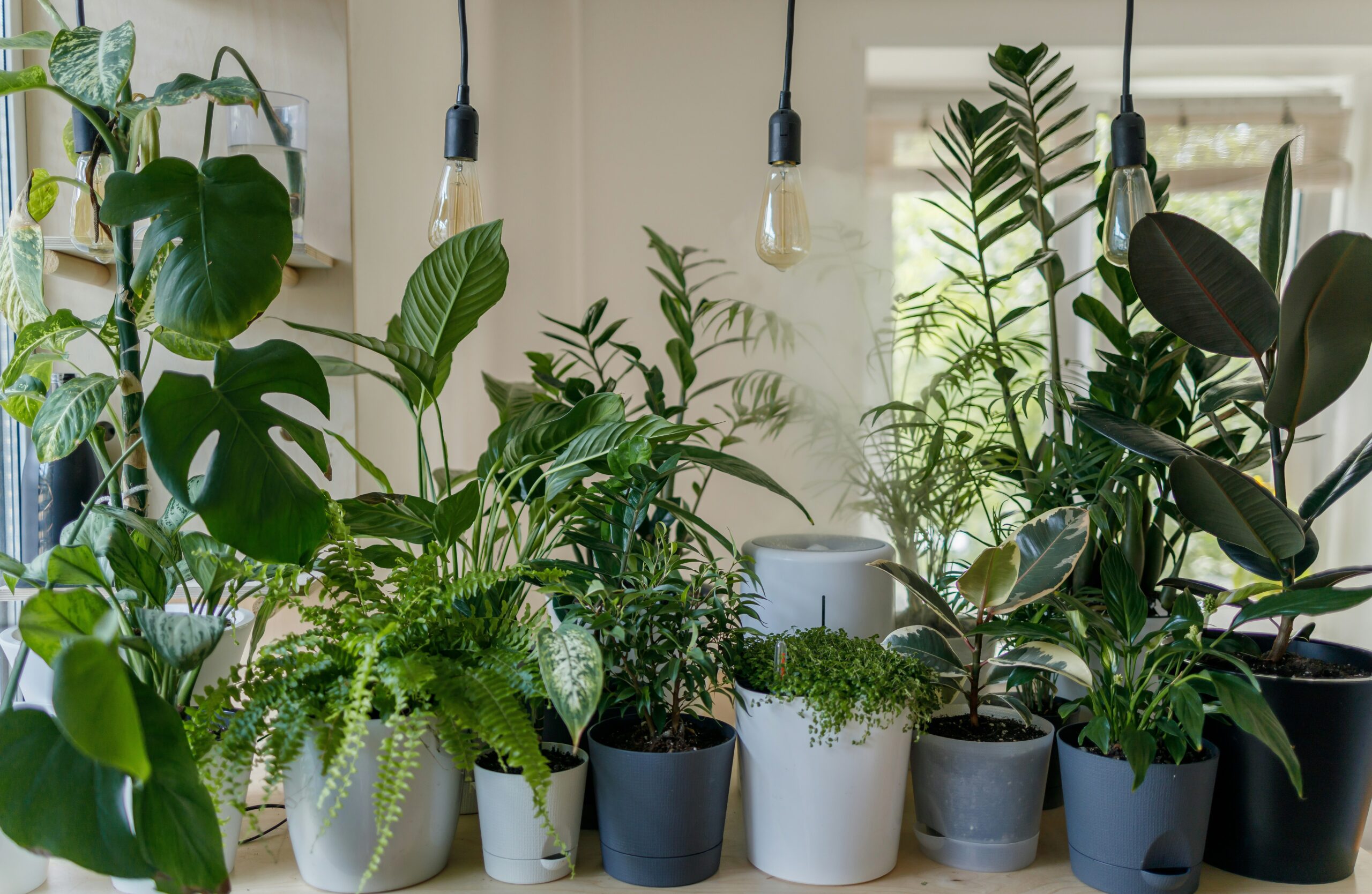
Indoor air is often more polluted than outdoor air – and not just because of dust. Chemicals from detergents, plastics, furniture, and paint silently release invisible toxins into your home every day. But nature, as always, offers a solution – in this case, in the form of plants that not only beautify your space but actively purify the air and boost your health.
Forget those expensive air purifiers that hum like an old fridge. If you’ve got a window and a bit of goodwill, you can turn your home into a green shield. These plants grow in any pot, don’t ask for much, and give back tenfold.
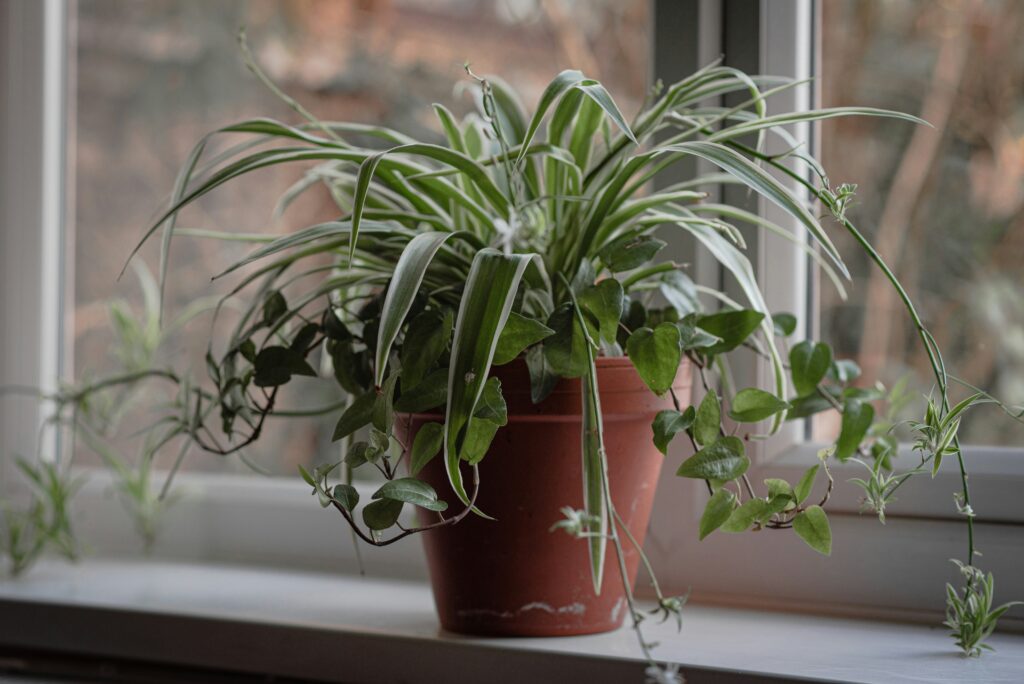
1. Spider Plant (Chlorophytum comosum)
The shade-loving beauty with superhero powers
If you’re looking for a plant that even students, forgetful neighbors, or total beginners can’t kill – the spider plant is your go-to. In addition to surviving all kinds of neglect, it’s famous for removing formaldehyde, carbon monoxide, and benzene from the air. NASA listed it among the top air-cleaning plants – and who are we to argue with rocket scientists?
It grows fast, sprouts cute baby “spiderettes,” and looks fantastic in hanging pots. You can keep it in the kitchen, hallway, or bathroom – just don’t blast it with direct sunlight.
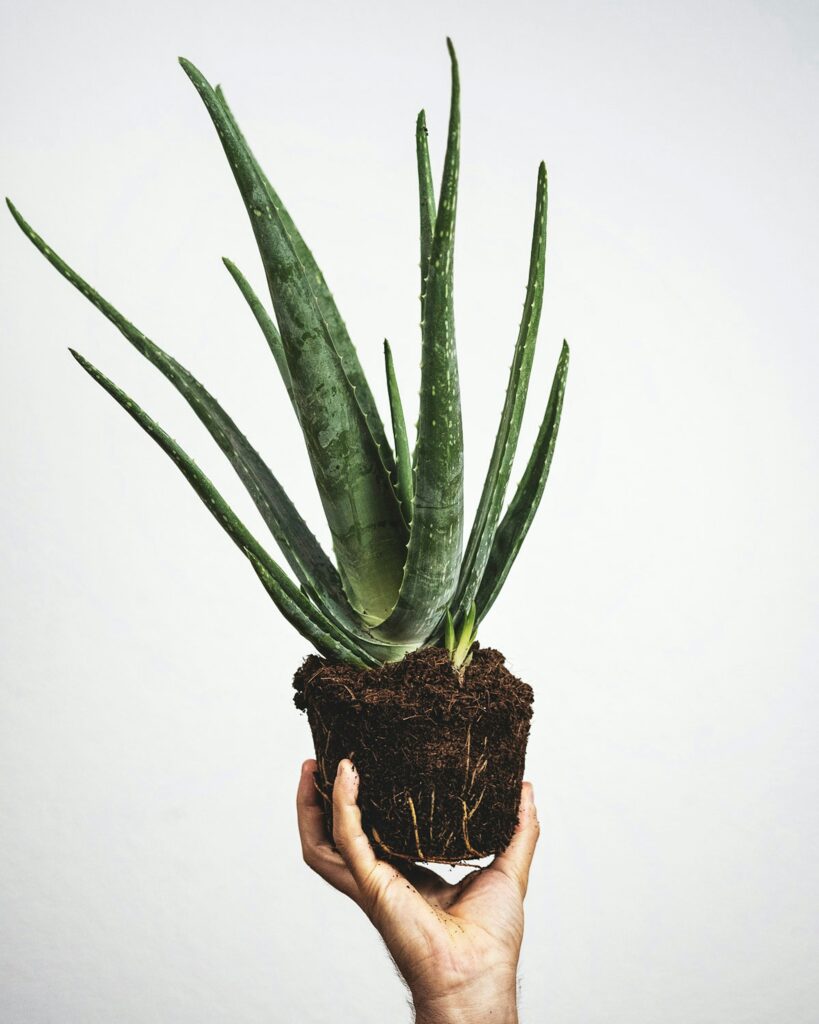
2. Aloe Vera
The first aid plant with an air-cleansing diploma
Aloe vera is a classic – and for good reason. This modest succulent doesn’t just soothe burns, cuts, and dry winter skin, it also clears the air of benzene and formaldehyde – common leftovers from cleaning products.
It loves light but doesn’t love water (kind of like most of us on Monday mornings). Give it a well-draining pot, a sunny windowsill, and your aloe will thrive better than that dusty treadmill you never use.
Fun fact: When air quality is poor, aloe may develop dark spots on its leaves – nature’s built-in toxin detector.
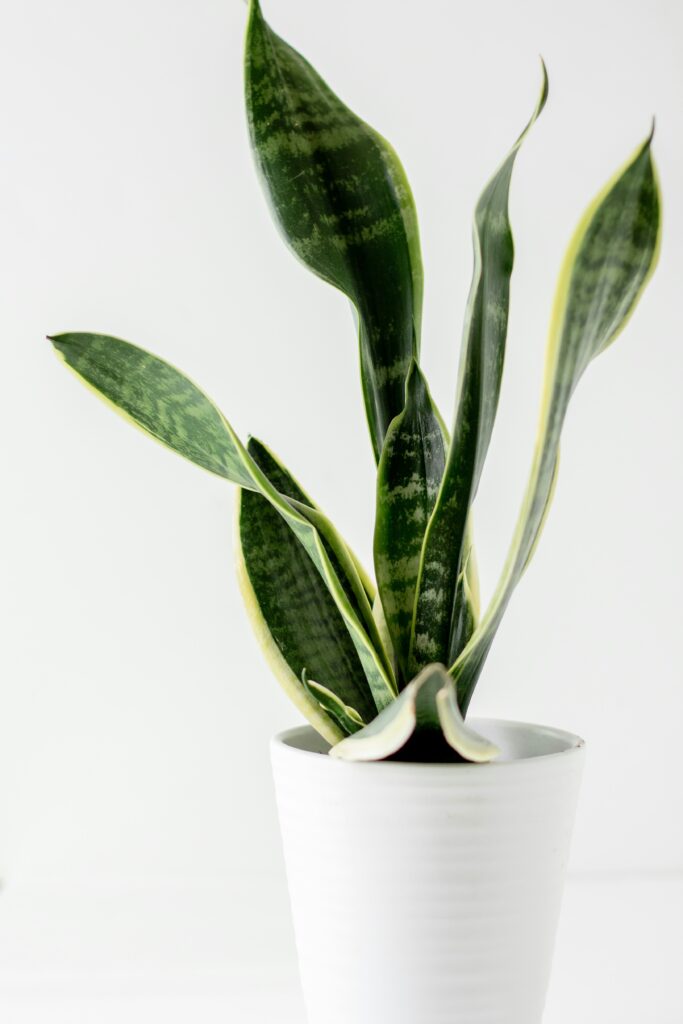
Tough, quiet, and always listening (just kidding… probably)
Also called the snake plant, it’s not poisonous – unless you’re a toxin. Sansevieria actually produces oxygen at night, making it ideal for bedrooms. It filters out formaldehyde, nitrogen oxide, and other air nasties, and will survive your two-week vacation without complaint.
Forget watering every few days. A sip once a week and she’s good. She doesn’t love blazing sun but can chill in a darker corner, making her perfect for apartments with moody lighting.
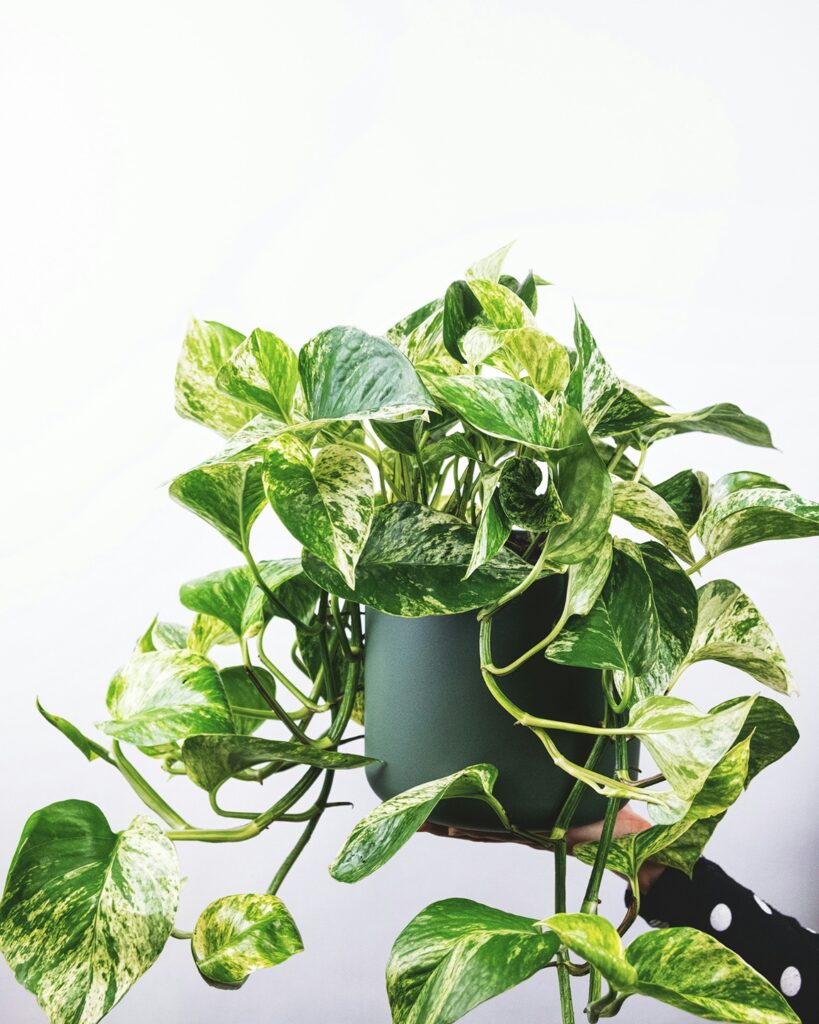
4. Pothos (Epipremnum aureum)
The leafy curtain for your lungs
If you want a plant that looks like you tried really hard – but didn’t – pothos is the one. It grows fast, climbs, trails, and creates an urban jungle vibe even in a 12-square-meter studio.
It’s a champ at filtering formaldehyde, xylene, and benzene. You can drape it around window frames, let it trail from a shelf, or grow it up a moss pole – your call. One warning: it’s mildly toxic to pets, so keep it out of paw reach.
5. Lavender (Lavandula angustifolia)
Not just pretty – but peaceful
Usually associated with fields of Provence, soap bars, and grandma’s closet, lavender can actually thrive in a pot on your windowsill. Its calming scent relaxes the mind, improves sleep quality, and acts as a mild antimicrobial.
It loves sunshine and dry air – perfect for those who crank the heating in winter and forget to water their plants. With a bit of attention, you’ll have a natural anti-stress station right at home.
Bonus: Lavender oils naturally repel moths and mosquitoes. No need for those chemical air fresheners that singe your nostrils.
How to grow them together?
These plants prefer different conditions – but can live happily together if you’re strategic:
Put the snake plant and pothos in corners or the bathroom.
Aloe and lavender love a sunny windowsill.
Spider plant does great in the kitchen or hallway with indirect light.
Use universal potting soil, containers with drainage holes, and don’t go overboard with watering. Most of these plants suffer more from overloving than neglect.
Your home can be a green filter for stress and toxins. You don’t need a yard to have a garden. Start with one pot, one plant, and one deep, clean breath. These plants are not just beautiful – they’re healing. Plant them today, and let nature show you what it means to truly breathe.