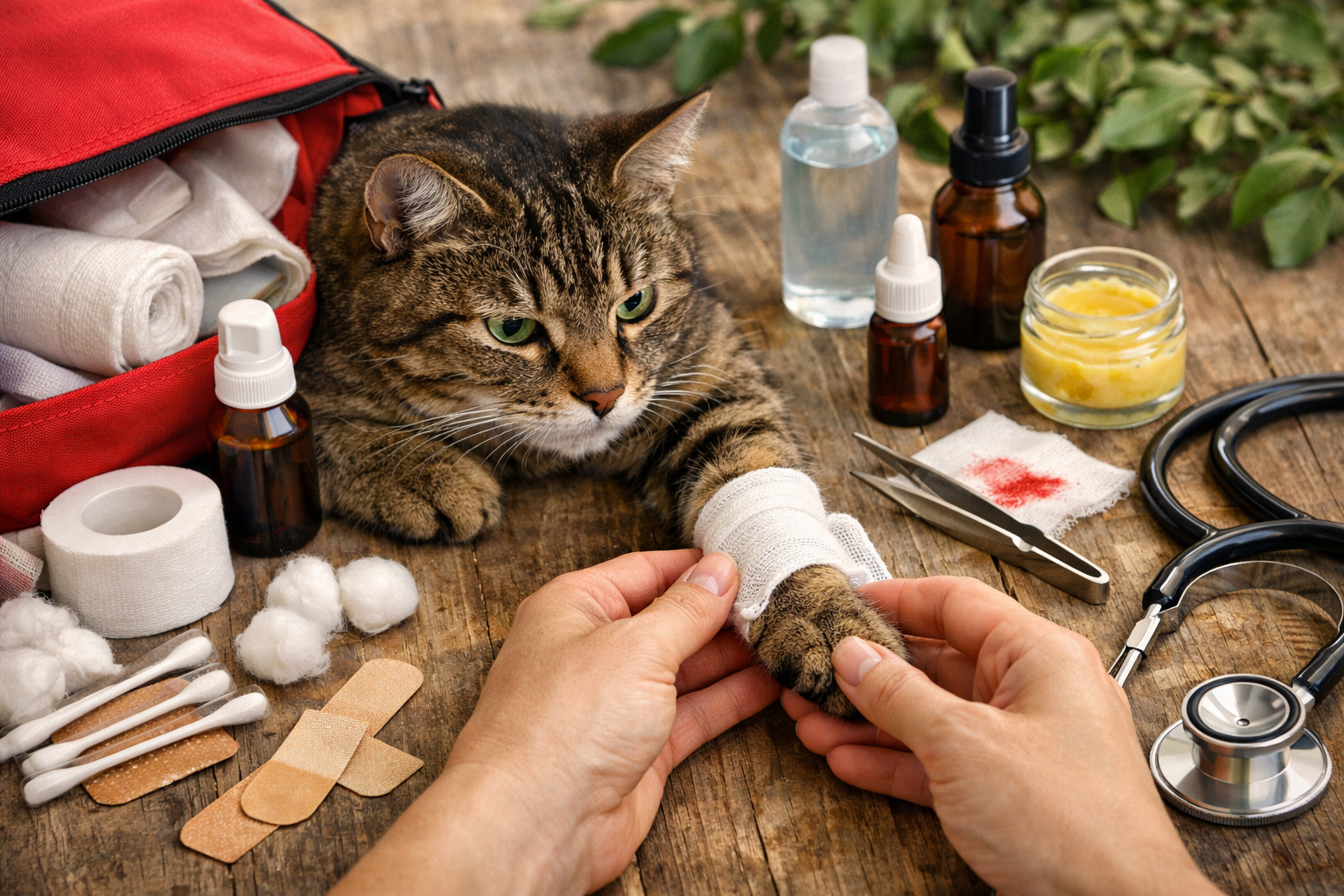
Veterinarians warn that owners often don’t know how to react in emergency situations with their cats. Basic first aid knowledge can make a significant difference between quick recovery and serious complications.
Cats are curious creatures that can sustain various types of injuries – from superficial wounds and fractures to hypothermia and eye problems. Knowledge of first aid basics is not a substitute for veterinary care, but it can be crucial in critical moments.
Hypothermia – A Silent Danger
Hypothermia is an often overlooked danger, especially in younger kittens and older cats. Experts warn that hypothermia is very serious and requires quick action as it can be life-threatening.
Recognize the signs – a hypothermic cat will be lethargic, have cold ears and paws, will shiver, and body temperature will be below normal (normal cat temperature is between 38 and 39 degrees Celsius). In severe cases, the cat may be semi-conscious.
First aid for hypothermia involves gradual warming. Move the cat to a warm and dry place, wrap it in warm blankets or towels. You can use bottles with warm (not hot) water wrapped in a towel and place them next to the cat, but not directly on it. Never use heaters, hair dryers, or very hot water as rapid warming can be harmful.
Offer the cat warm water to drink if it’s conscious, but don’t force it. As soon as possible, take the cat to a veterinarian because hypothermia can cause serious internal problems.
Eye Inflammation and Injuries
Eye problems in cats can result from fights with other cats, foreign objects, infections, or injuries. Veterinarians emphasize that eye injuries are always emergencies and require veterinary attention.
Symptoms include redness, tearing, the cat keeps the eye closed or paws at it, visible damage to the eyeball, or cloudiness of the eye. If you notice discharge, a visible foreign object, or any physical damage to the eye, this is a veterinary emergency.
First aid is limited – don’t try to remove foreign objects from the eye yourself or apply any drops or ointments without veterinary instruction. You can gently rinse the eye with sterile saline solution if available. Most importantly, prevent the cat from rubbing or scratching the eye, using a protective collar if necessary, and get to a veterinarian as soon as possible.
Bone Fractures
Fractures are serious injuries that require urgent veterinary intervention. A cat with a broken bone may show obvious signs such as an unnaturally bent limb, inability to stand on the leg, swelling, visible deformity, or severe pain when touched.
Experts warn that the most common mistake owners make is attempting to splint or move the broken limb. This can worsen the situation and cause additional pain.
Your task is to minimize the cat’s movement. Carefully place it in a transport carrier or solid box lined with a blanket. If the cat is lying down, don’t force it to change position unless it’s in immediate danger. Cover it with a blanket to maintain warmth as injured animals can easily go into shock. Transport to the veterinarian should be as calm as possible.
Bleeding – How to React
Bleeding can range from minor cuts to serious injuries. Veterinarians explain that it’s crucial to quickly assess the severity of the bleeding.
For minor cuts and scratches, apply direct pressure with clean gauze or a clean cloth for three to five minutes. Wash the wound with warm water and a mild antiseptic like diluted chlorhexidine. Most minor wounds will stop bleeding after a few minutes of pressure.
Heavy bleeding is an emergency situation. Apply firm pressure to the wound with clean fabric and maintain pressure during transport to the veterinarian. Don’t remove the bandage if it becomes soaked with blood; instead, add new layers on top. For bleeding from limbs, you can apply pressure above the wound to slow blood flow.
Never use a ligature or tourniquet except in extreme necessity when bleeding is so severe it threatens life, as improper application can cause permanent tissue damage.
Superficial Wounds and Scratches
For everyday minor injuries like scratches from fights or superficial cuts, the procedure is simpler. Wash the wound with warm water and veterinary antiseptic. Dry the area with clean gauze and monitor for signs of infection over the following days – redness, swelling, warmth, pus, or unpleasant odor.
Veterinarians advise that cat saliva contains bacteria, so bites from other cats or animals always require veterinary attention even if the wound looks small. Infections can develop very quickly.
Poisoning – Quick Response is Key
Poisoning in cats can be caused by various substances – from plants, human medications, cleaning products to rat poison. Cats are particularly sensitive to many substances that are safe for humans or dogs.
Symptoms of poisoning vary depending on the poison but may include vomiting, diarrhea, excessive drooling, breathing difficulties, twitching or convulsions, weakness, unconsciousness, or behavioral changes. If you suspect poisoning, time is crucial.
Never induce vomiting without veterinary advice as some substances can cause additional damage to the esophagus during vomiting. Try to identify the poison – photograph or bring the product packaging if possible. Immediately contact a veterinarian or veterinary emergency service and follow their instructions.
Common poisons for cats are lilies (extremely toxic, can cause kidney failure), antifreeze (ethylene glycol), human medications (paracetamol, ibuprofen, aspirin), chocolate and caffeine, onions and garlic, and many household cleaning products. Keep all potentially dangerous substances out of your cat’s reach.
Overheating and Heat Stroke
Overheating is a serious danger, especially during summer months. Cats don’t sweat like humans and have limited body cooling mechanisms. Veterinarians warn that heat stroke can be fatal if not treated urgently.
Signs of overheating include heavy breathing with an open mouth, excessive drooling, red or pale gums, rapid pulse, vomiting, weakness or collapse, and unconsciousness. Body temperature may be higher than 40 degrees Celsius.
First aid for overheating requires gradual cooling. Move the cat to a cool place, in the shade or air-conditioned space. Moisten it with cool (not ice-cold) water, especially the neck, abdomen, and paws. You can use wet towels, but change them frequently. Offer fresh water to drink, but don’t force the cat.
Never use ice or ice-cold water as cooling too quickly can be harmful. As soon as you stabilize the condition, urgently take the cat to a veterinarian because heat stroke can cause internal organ damage even if the cat appears to recover.
Prevention includes ensuring shade and fresh water, never leave a cat in a closed car, avoid exposure to heat during the hottest parts of the day, and ensure good ventilation in the space where the cat stays.
FIV and FeLV – Understanding Chronic Diseases
Feline Immunodeficiency Virus (FIV) and Feline Leukemia Virus (FeLV) are the two most well-known chronic viral diseases in cats that compromise the immune system.
FIV, often called feline HIV, is transmitted primarily through bites during fights. Cats with FIV can live for years without symptoms but are more susceptible to infections and diseases. Symptoms may include chronic infections, gum inflammation, weight loss, chronic diarrhea, and respiratory problems.
FeLV is transmitted through saliva, nasal secretions, urine, and milk of infected cats, which means it can be transmitted by sharing food and water bowls, mutual grooming, or from mother to kittens. FeLV can cause various problems including anemia, leukemia, lymphoma, and immunosuppression.
Experts emphasize that there is no cure for FIV or FeLV, but the diseases can be managed. Key is early diagnosis through blood testing. Cats with these viruses should live indoors to prevent disease spread and protect them from other infections.
Prevention is the best strategy – regular testing, vaccination against FeLV (a vaccine is available), neutering and spaying to reduce aggression and roaming, and keeping cats indoors. If you adopt a new cat, test it before introducing it to a household with other cats.
Recognizing Shock
Shock is a dangerous condition that can accompany any serious injury. Signs of shock include rapid pulse, rapid breathing, pale or bluish gums, cold extremities, weakness, and unconsciousness.
If you suspect shock, keep the cat warm, place it on its side with the head slightly lower than the body (unless you suspect head or neck injury), and urgently take it to a veterinarian. Shock can be fatal if not treated urgently.
Home Veterinary First Aid Kit
Experts recommend that every cat owner have a prepared basic first aid kit: sterile gauze and bandages, veterinary antiseptic solution (chlorhexidine), self-adhesive bandage tape, sterile saline solution, sterile gloves, digital thermometer, tweezers, blunt-tipped scissors, blankets for warming, and a list of emergency contacts.
It’s very important to have readily available your veterinary clinic’s number, 24-hour emergency veterinary service, and the name of the nearest veterinary clinic. In crisis situations, precious time is lost searching for this information.
When to Urgently Visit a Veterinarian
Certain situations always require urgent veterinary care: heavy bleeding that won’t stop, breathing difficulties, suspected bone fractures, eye injuries, signs of shock, hypothermia with low body temperature, unconsciousness or inability to stand, bleeding from the mouth, nose, or rectum, or any head injury.
Veterinarians advise that it’s better to be overly cautious than regret not reacting in time. When in doubt, always contact your veterinarian.
Prevention
Ensuring a safe environment is the best protection. This includes closing windows and balconies, removing dangerous objects and poisonous plants, supervising if the cat goes outside, regular veterinary care, and microchipping the cat to facilitate finding if it gets lost.
First aid knowledge combined with quick response and professional veterinary care can save your feline pet’s life. While we hope you’ll never need to apply these skills, preparedness and knowledge provide peace of mind and security to all responsible cat owners.